
Sanju Samson details decision to move away from Virat Kohli's lifestyle
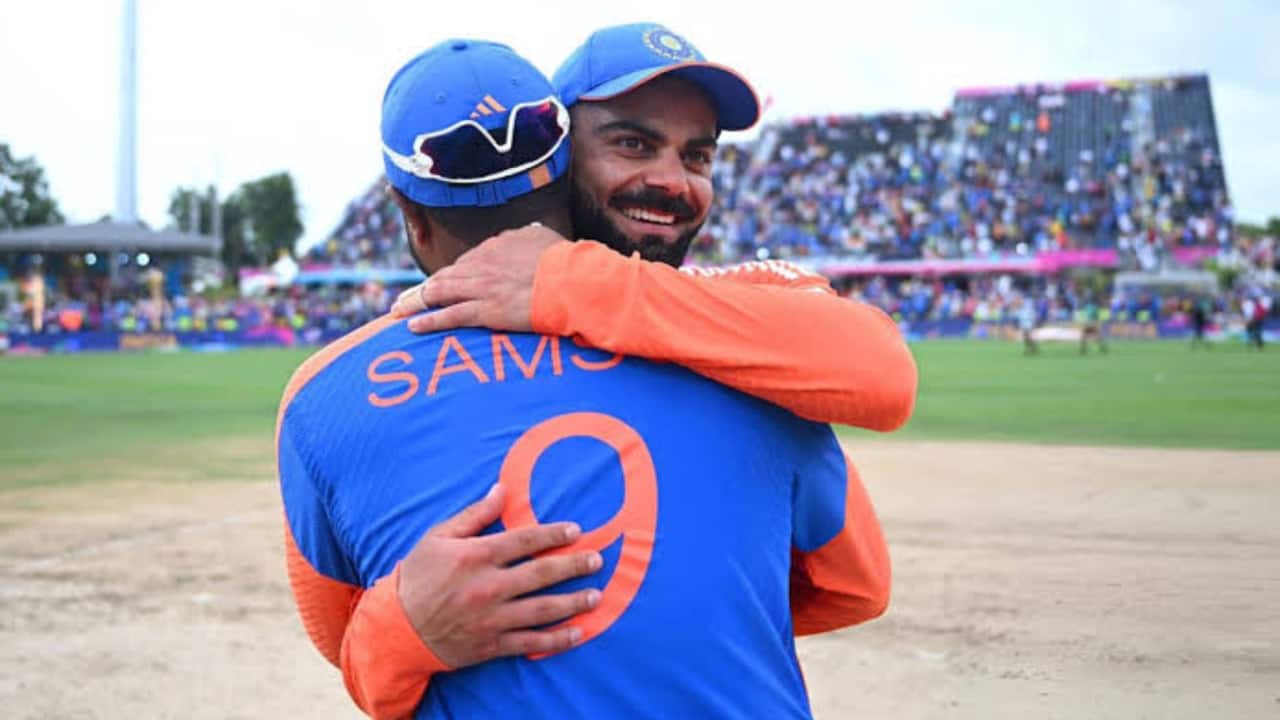
Sanju Samson has addressed his decision to depart from the lifestyle patterns of Virat Kohli and the mental hurdles faced during the T20 World Cup.
Mental shifts and competitive pressure
Indian wicketkeeper-batter Sanju Samson has shared insights into his personal evolution, specifically regarding his decision to distance himself from the lifestyle habits previously modeled by Virat Kohli. The shift comes as Samson navigates the intense psychological pressures inherent in international cricket.
The cricketer discussed the mental difficulties encountered during the lead-up to the T20 World Cup. This period was marked by significant professional uncertainty as he faced competition for a permanent spot in the national side.
Competition for the wicketkeeping role
During this high-stakes period, Samson experienced the challenge of losing his position as India's primary wicketkeeper-batter. The role was taken by Ishan Kishan, a move that necessitated a period of mental recalibration for the Kerala-born player.
Samson's reflections highlight the volatility of professional sports, where form and selection decisions can rapidly alter an athlete's standing within the team hierarchy. The loss of his starting position served as a catalyst for his recent changes in approach to training and lifestyle management.
Impact of selection decisions
The competition between Samson and Kishan underscores the depth of talent within the Indian white-ball squad. Maintaining a place in the starting XI requires not only physical readiness but also a resilient mindset to handle the following factors:
- The pressure of international selection cycles.
- Managing the psychological impact of being displaced from the first team.
- Adapting personal routines to maintain peak performance levels.
- Navigating the scrutiny of high-profile teammates and coaches.
By moving away from the specific lifestyle frameworks associated with Kohli, Samson is seeking a personalized method to manage the rigours of the modern international schedule and the mental fatigue associated with elite-level competition.