
Ebola Patients Flee Congo Facilities Amid Attacks, Response Hindered
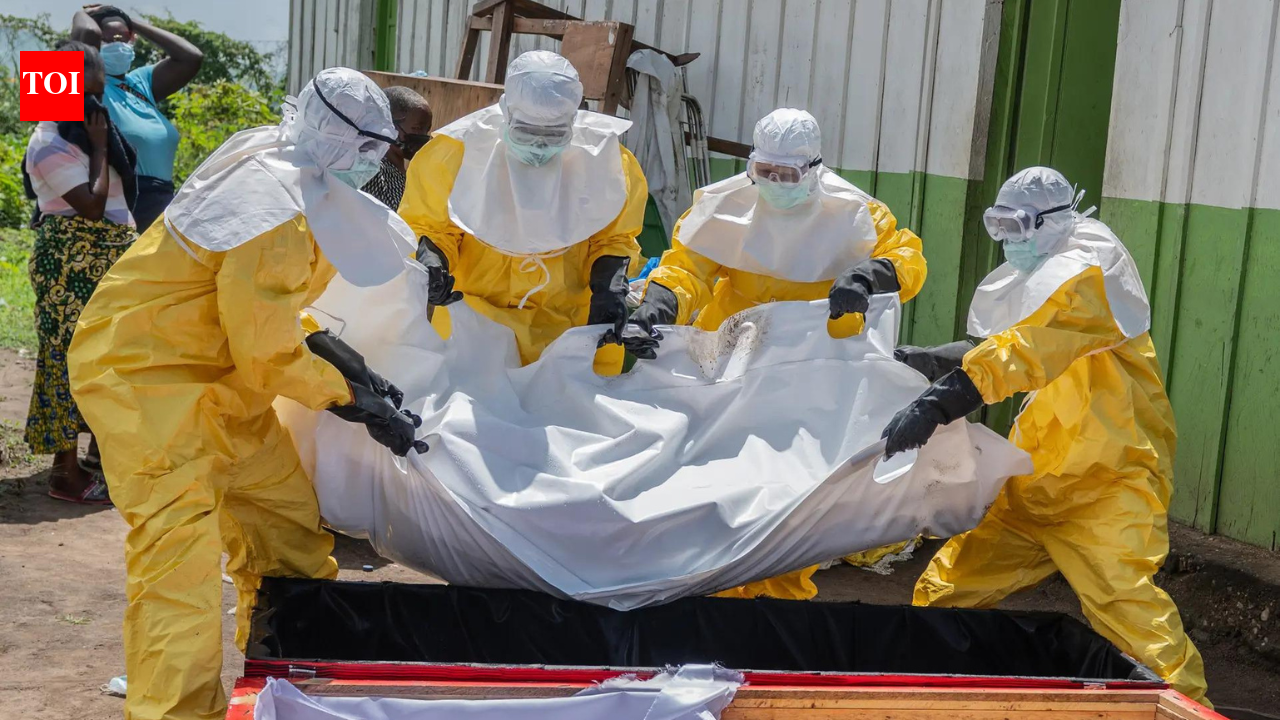
Attacks on healthcare facilities in the Democratic Republic of Congo (DRC) have prompted Ebola patients to flee, significantly hampering ongoing response efforts to the deadly virus. The incidents, which occurred recently, have created a serious setback in containing the outbreak and protecting vulnerable communities.
Reports indicate that the attacks have forced the temporary closure of several health centres, leaving patients without essential medical care and disrupting vital vaccination campaigns. The escape of confirmed Ebola patients poses a heightened risk of further transmission within the affected regions and beyond. Authorities are working to locate and safely isolate those who have fled, but the situation remains precarious.
The Ebola virus disease (EVD), commonly known as Ebola, is a severe and often fatal illness. The current outbreak in the DRC has been ongoing for some time, with health workers and aid organizations battling to control its spread. These attacks on healthcare infrastructure are a worrying development, directly impacting the ability to provide care and implement preventative measures.
The humanitarian crisis is compounded by the ongoing insecurity in the region, which makes it difficult for aid workers to access affected areas and deliver essential supplies. International health organizations, including the World Health Organization (WHO), are providing support to the DRC government, but the attacks are severely limiting their effectiveness. Efforts are underway to ensure the safety of healthcare personnel and to restore essential services as quickly as possible. The Congolese government is appealing for increased security measures to protect healthcare facilities and allow the response to continue unimpeded.
The situation is being closely monitored, and further updates will be provided as they become available. The priority remains to contain the Ebola outbreak, protect the health of the population, and ensure the safety of those working on the front lines of the response.