
China Adds AI Chips to Tech Security Assessment List
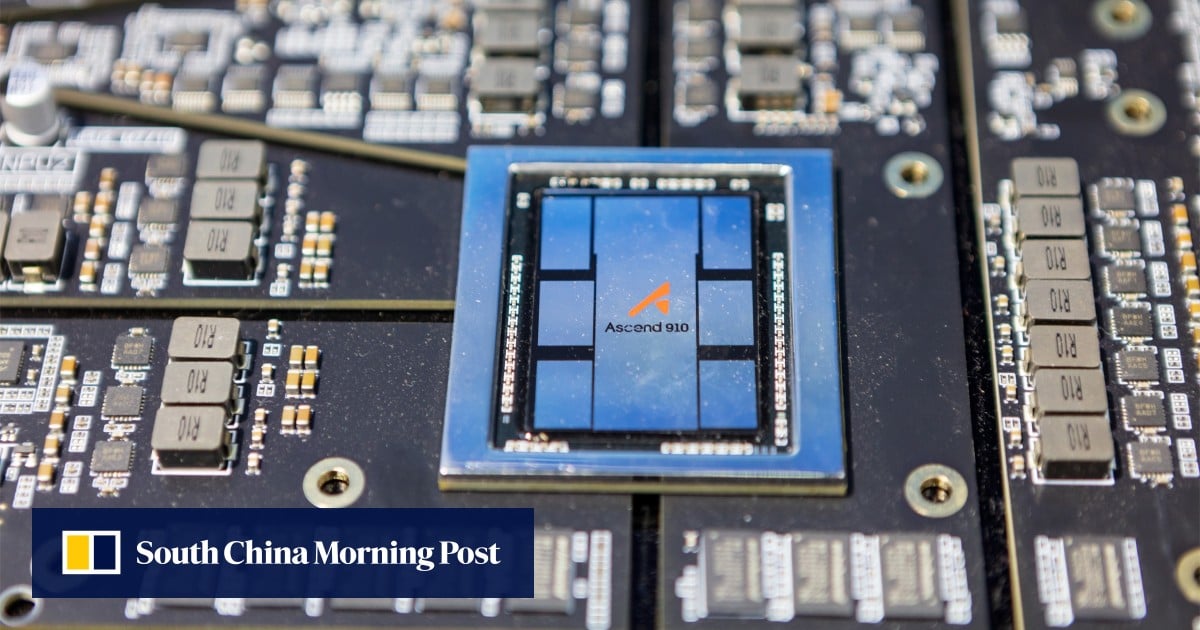
Beijing has expanded its trusted technology certification system to include artificial intelligence (AI) chips, according to a newly released list. This move comes as China seeks to bolster the use of domestically produced semiconductors amid ongoing restrictions from the United States.
The updated list, published by China's Ministry of Industry and Information Technology (MIIT), designates specific AI processors as requiring assessment for cybersecurity and data security risks. This certification system acts as a de facto 'whitelist,' indicating that products meeting the criteria are deemed secure and suitable for use in critical infrastructure and government projects.
The inclusion of AI chips reflects the growing importance of these components in various sectors, from autonomous vehicles and robotics to facial recognition and data analytics. China has been actively pursuing self-sufficiency in semiconductor technology, particularly after facing export controls from the US aimed at limiting access to advanced chip-making equipment and technologies.
The US restrictions, implemented over the past year, target Chinese companies and individuals involved in the development and acquisition of advanced semiconductors. These measures are intended to slow China's technological advancement, particularly in areas like AI, which are considered strategically important.
By expanding the trusted technology assessment to include AI chips, China aims to encourage the adoption of domestic alternatives and reduce reliance on foreign suppliers. This move is expected to further accelerate the development of China's own semiconductor industry and lessen the impact of US trade restrictions. The MIIT has not yet released details on the specific criteria for certification or the timeline for implementation, but the announcement signals a clear commitment to strengthening China’s technological independence.

;Resize=620)


