
5 Lifestyle Tips to Ease IBD Symptoms, Say Doctors
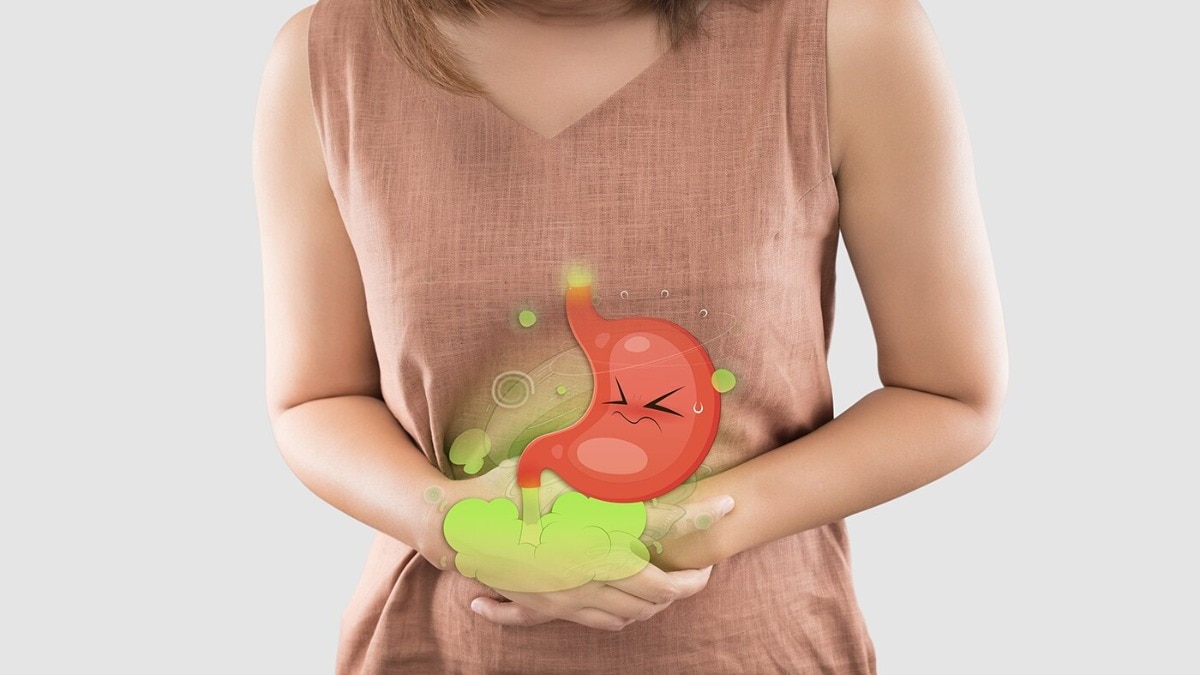
People living with inflammatory bowel disease (IBD) may find relief through simple lifestyle adjustments, according to medical professionals. While these changes shouldn't replace prescribed treatments and regular check-ups, they can play a supportive role in managing symptoms.
Doctors have highlighted five key areas where individuals can make a difference. These aren't presented as a cure, but rather as complementary strategies to improve overall wellbeing and potentially reduce the frequency or severity of flare-ups. The focus remains on working closely with a gastroenterologist and adhering to a personalised treatment plan.
The specific lifestyle modifications recommended often vary depending on the individual and the type of IBD they have (Crohn's disease or ulcerative colitis). However, common suggestions include dietary adjustments, stress management techniques, regular physical activity, adequate sleep, and careful monitoring of potential trigger foods.
Dietary changes may involve identifying and eliminating foods that exacerbate symptoms. This process often requires working with a registered dietitian to ensure nutritional needs are met while avoiding problematic items. Keeping a food diary can be a helpful tool for tracking reactions.
Stress is a known trigger for IBD flare-ups. Implementing stress-reducing practices such as mindfulness, yoga, meditation, or spending time in nature can be beneficial. Professional counselling or therapy may also be considered.
Regular, moderate exercise has been shown to improve mood, reduce inflammation, and strengthen the immune system, all of which can positively impact IBD. However, it's important to listen to your body and avoid overexertion, particularly during flare-ups.
Prioritising sleep is crucial for overall health and can help regulate the immune system. Aiming for 7-9 hours of quality sleep per night can contribute to better symptom management.
It's vital to remember that IBD is a chronic condition requiring ongoing medical care. These lifestyle changes are intended to complement, not replace, prescribed medications and regular follow-up appointments with a healthcare professional. Always discuss any significant changes to your lifestyle or diet with your doctor before implementing them.